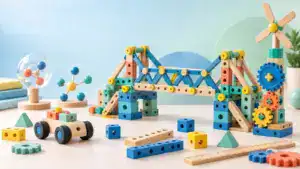
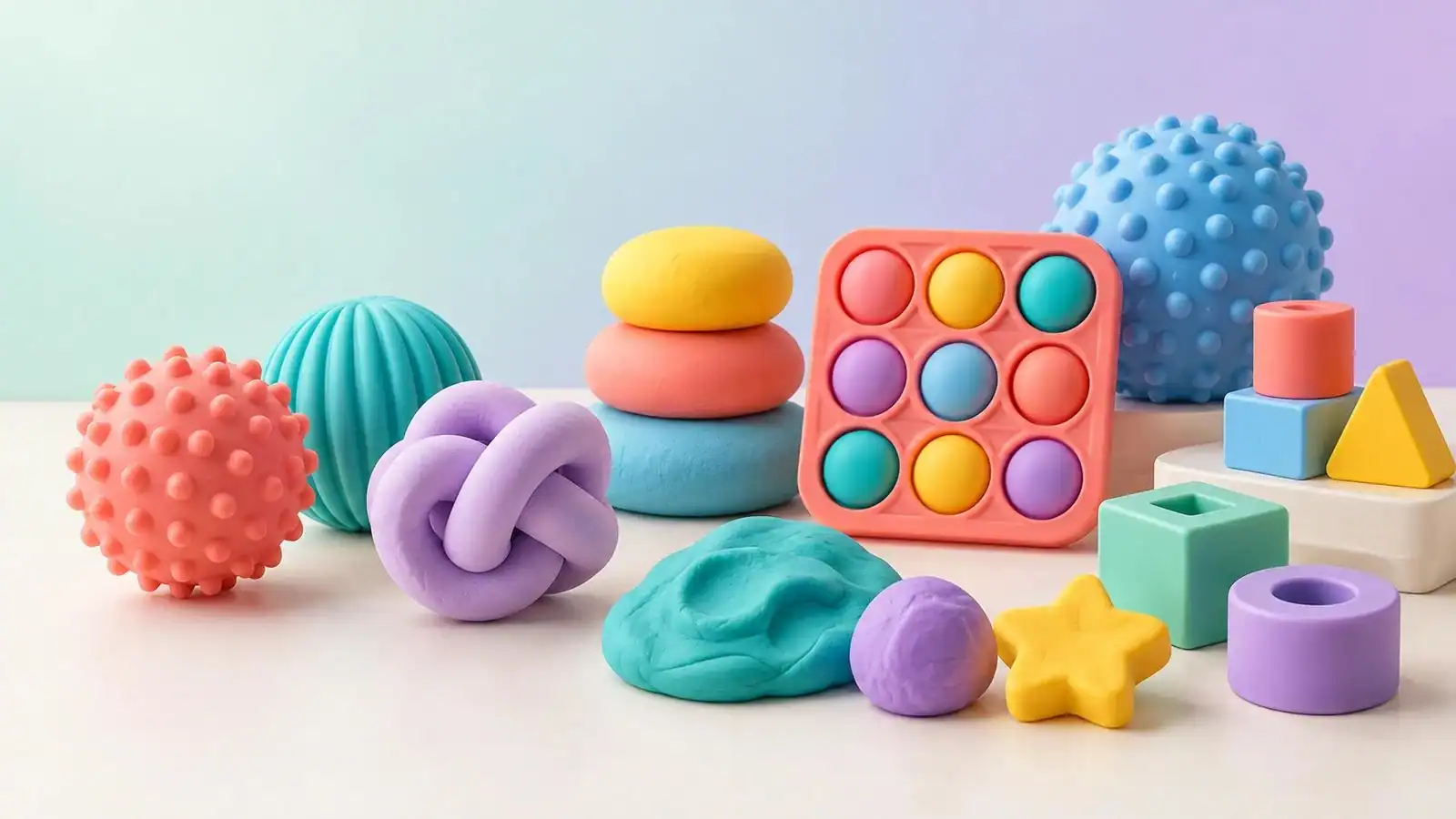
Sensory toys are no longer a small specialty category. Children are drawn to products they can squeeze, stretch, roll, press, sort, and shape, while parents value play that can hold attention away from a screen. Retailers have responded with a wider mix of tactile compounds, fidget products, textured activity sets, and creative kits. For buyers, the opportunity is attractive, but success depends on selecting products that offer satisfying play, clear age positioning, reliable quality, and appropriate safety documentation.
The search interest is substantial. Ahrefs estimates that “sensory toys” receives about 18,000 searches per month in the United States and 51,000 globally. Related searches include sensory toys for toddlers, sensory toys for kids, tactile sensory toys, and calming sensory toys. This demand creates room for broad assortments, but it also makes differentiation essential.
What Makes a Toy Sensory?
A sensory toy gives the child a noticeable experience through touch, sight, sound, movement, or a combination of these. A stretchable compound offers resistance. A textured piece invites fingers to trace raised patterns. A sorting activity adds color and shape recognition. A press-and-pop product creates a repeated movement and sound. The strongest products do more than add a texture to a conventional toy: the sensory action is central to the play pattern.
For commercial buyers, this distinction matters. A product that communicates its main action within seconds is easier to demonstrate in a short video, on a shelf, or during a live sales presentation. The shopper should quickly understand what the child will do and why the action feels rewarding.
Four Product Qualities Buyers Should Prioritize
First, look for a repeatable play loop. Squeezing once may create momentary interest; squeezing, shaping, combining, and starting again supports longer engagement. Open-ended compounds and multi-piece tactile sets can create many outcomes without complicated instructions.
Second, match the sensory experience to the intended age. Large, simple pieces may suit younger children, while older children may prefer detailed craft challenges, collectible themes, or compounds with more advanced effects. Age grading must reflect both developmental suitability and applicable safety requirements, rather than serving only as a marketing decision.
Third, evaluate durability under realistic use. Buyers should ask whether a stretch toy returns to its original shape, whether seals remain intact, whether colors transfer, and whether repeated pressing weakens the product. For compounds, useful questions cover drying, staining, odor, storage, and the consistency of texture between batches. A compelling sample is not enough; production units must deliver the same experience.
Fourth, consider shelf and shipping practicality. Rigid display packaging may improve visibility but increase freight volume. Soft pouches can lower packaging weight but may need better graphics to communicate the product. A good manufacturer should help balance product protection, presentation, sustainability goals, and landed cost.
Safety and Claims Require Careful Control
Sensory products can contain liquids, gels, pastes, putties, powders, small components, or accessible surface materials. Each design therefore needs a product-specific safety review. In the United States, children’s toys are subject to the mandatory toy standard incorporated in 16 CFR Part 1250. Toys primarily intended for children age 12 or younger generally require testing by a CPSC-accepted third-party laboratory and certification in a Children’s Product Certificate. Requirements may also apply to lead, phthalates, small parts, labeling, and tracking information.
Importers should ask a supplier which requirements apply to the exact item, material, age grade, and target market. Request current reports that identify the tested product and production materials. A generic certificate, an unrelated test report, or a statement that a material is “non-toxic” does not replace a complete compliance review.
Marketing language also deserves restraint. A sensory product can be described through observable play features such as soft texture, repeated pressing, molding, sorting, or quiet hands-on activity. Medical or therapeutic claims require a different level of evidence and review. Retailers can reach a broad audience by explaining the experience clearly without promising treatment outcomes.
How to Create a More Distinctive Range
Theme is one of the easiest ways to turn a familiar mechanism into a fresh offer. A retailer might build collections around food, animals, space, ocean life, fantasy, or seasonal occasions. Color stories can range from bright and energetic to soft and calming. Packaging can support gifting, travel, classroom use, party favors, or collectible display.
Bundles can increase perceived value. Instead of offering one compound tub, a set might combine several colors, shaping tools, textured molds, decorative pieces, and a reusable storage case. The additions should expand the play pattern, not merely increase the piece count. A buyer should be able to explain what each component contributes.
Customization is especially useful for private-label programs. Color, scent, texture, molds, accessories, packaging structure, instructions, and display format can all support a retailer’s positioning. Begin with a precise target user and price point, then ask the manufacturer to propose changes that are feasible at the expected order quantity.
Questions to Ask Before Ordering
Before confirming a sensory toy program, buyers should ask:
- What age grade is recommended, and what evidence supports it?
- Which safety standards and chemical restrictions apply in the destination market?
- Can the supplier provide reports for the exact product and materials?
- How does the product perform after repeated use, temperature changes, and transport?
- What is the expected shelf life, and are storage conditions required?
- Which elements can be customized, and what are the minimum order quantities?
- Can packaging, instructions, warnings, and tracking marks be adapted for the market?
- How does the factory control color, texture, fill weight, sealing, and contamination?
Turning Interest into a Reliable Program
Sensory toys have strong search demand because the play experience is immediate and easy to understand. That does not mean every tactile product will become a lasting seller. Retailers need a clear play action, an age-appropriate design, consistent manufacturing, credible compliance support, and packaging that explains the value quickly.
FI develops sensory and compound toys for OEM and ODM programs. Buyers can use an existing concept as a starting point or work on custom colors, accessories, themes, and packaging. To discuss a product brief, target price, destination market, or test requirements, contact the FI team.